No Deal, No Clarity, No Calm
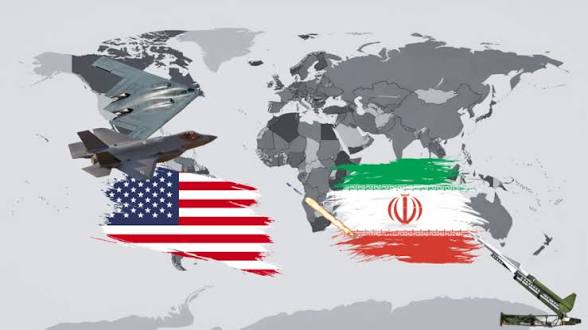
*High-level US-Iran talks in Islamabad ended without breakthrough, leaving fragile ceasefire and Strait of Hormuz crisis unresolved*
The second round of US-Iran peace talks in Islamabad has wrapped with no deal, and the clock is ticking on a 10-day ceasefire set to expire Wednesday evening, April 22, 2026. Here’s where things stand:
*What happened in Islamabad*
1. *21-hour marathon, no agreement*: US negotiators, led by Vice President JD Vance, Special Envoy Steve Witkoff, and Jared Kushner, met Iranian officials for 21 hours earlier this month. The latest round again produced no “affirmative commitment” from Iran, with Vance saying the US presented its “best and final offer”.
2. *Iran’s position*: Tehran initially said it would not attend, citing “excessive demands, unrealistic expectations, constant shifts in stance,” and the ongoing US naval blockade. Iranian Parliamentary Speaker Mohammad Baqer Qalibaf later arrived, but Iran insists it won’t negotiate “under the shadow of threats”.
3. *Sticking points*: The gaps are huge. The US wants Iran to end all uranium enrichment, dismantle nuclear facilities, turn over highly enriched uranium, end funding for regional proxies, and fully reopen the Strait of Hormuz with no tolls. Iran demands a guaranteed permanent ceasefire, no future strikes, lifting of sanctions, unfreezing assets, recognition of enrichment rights, and continued control of Hormuz.
*The Strait of Hormuz flashpoint*
The strait handles ∼20% of global oil and natural gas, and it’s now the core of the standoff:
– *US blockade*: After talks failed, President Trump ordered the US Navy to blockade Iranian ports starting Monday, April 14. Trump says the strait will stay closed until there’s a “final deal” and that the US “totally controls the strait”.
– *Iran’s response*: Iran briefly declared the strait “completely open” April 11, then reimposed “strict control” April 12. Iranian gunboats fired on a British tanker trying to transit, and two Indian-flagged ships also came under fire. Iran’s Revolutionary Guards warned military vessels approaching will be considered a ceasefire breach.
– *Seizures & mines*: US Marines seized the Iranian-flagged M/V Touska on April 19. Trump says Iran had littered the strait with sea mines during the war, though he later claimed Iran is removing them with US help.
*Economic fallout*
1. *Oil shock*: Brent crude hit ∼$95/barrel Tuesday, up >30% since Feb 28 when the war started. It had tumbled Friday when Iran said the strait was open, then jumped $5.76 Monday ahead of talks.
2. *Global ripple*: The EU warned it has “maybe six weeks” of jet fuel left. Shipping has slowed dramatically as vessels reroute or avoid the area.
3. *Trump’s pressure*: He’s threatened to “knock out every single Power Plant, and every single Bridge, in Iran” if no deal, and said no-deal is “bad news for Iran much more than… the United States”.
*What’s next*
– *Ceasefire deadline*: Three Pakistani sources say it ends 7:50 p.m. ET Tuesday/Wednesday. Trump says it’s “highly unlikely” he’ll extend it, though he did extend it late Tuesday at Pakistan’s request.
– *Fragile diplomacy*: Pakistan, Turkey, and Egypt are shuttling messages. A proposal dubbed the “Islamabad Accord” would reopen Hormuz immediately with a 15-20 day window for a broader deal.
– *Risks*: Both sides are “engaging in war rhetoric” to win concessions. Analysts warn US limited strikes are possible, and Iran vows “strong” retaliation.
*Bottom line*: The talks exposed how far apart Washington and Tehran remain. With the ceasefire hours from expiring, the US naval blockade in place, and Iran firing on tankers, the Strait of Hormuz has become both the key bargaining chip and the biggest risk for a wider conflict.









Post Comment